



Right-Sized Security Is the Answer for K-12 IT Teams
With hundreds or even thousands of devices to protect, most school districts rely on small IT teams to manage enterprise-level threats. Smart planning makes all the difference.

Strategy First: Start Simple to Stay Secure
School districts are being targeted by cybercriminals like never before. The threats aren’t unique, but the resources needed are. The recent 2024 CDW Cybersecurity Report shows that 68% of organizations manage between 10 and 49 security tools, yet most K-12 IT teams have only a handful of people to work with. Cybersecurity strategies need to go beyond theory to be designed for reality.
Here’s a look at the playbook K-12 IT leaders are following to stay secure with limited resources. And read on to see some of the insights our research revealed.
Transforming the Path to Resilience
K-12 school districts don’t often have the luxury of massive security teams. But student data, devices and digital learning platforms still need to be protected. That means adopting strategies built for education, starting with a maturity assessment to understand the district’s current posture.
This helps identify gaps, prioritize investments and build a plan that emphasizes simplicity, visibility and risk reduction — without overburdening staff. It also gives school leaders a clear way to communicate needs and demonstrates due diligence when incidents occur.
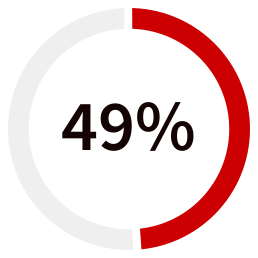
of IT professionals say they are unprepared for a security breach
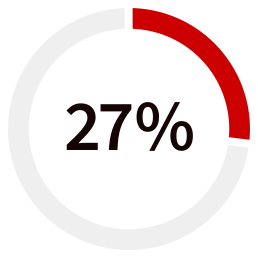
cited budget limitations as a major barrier to security readiness
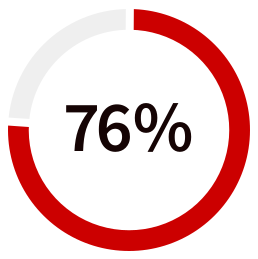
said highlighting breach costs helps justify investment
Achieving More Without Limitations
Having more tools doesn’t always equal more protection — especially when IT teams are running lean. K-12 school districts benefit from security programs that reduce sprawl, consolidate platforms and streamline oversight, giving small teams the chance to make a big impact. Building a relationship with a trusted partner before an incident occurs can improve response time and support quality when it matters most.
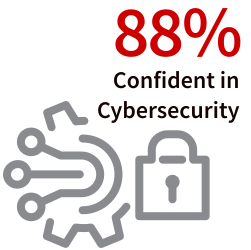
88% feel at least somewhat confident in their cybersecurity visibility
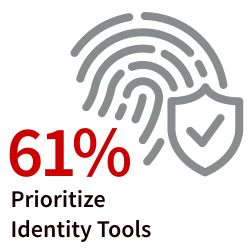
61% say identity and access tools are key to improving oversight
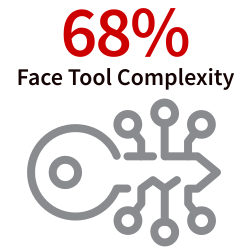
68% operate with 10 to 49 security tools, adding to complexity
Building a Stronger Human Firewall
In schools with a limited cybersecurity headcount, every team member matters. Upskilling teams through training, certifications and user-friendly tools helps build a cyber-aware culture while supporting staff retention and morale.
Practicing response plans with leadership through tabletop exercises and other activities can strengthen district-wide readiness. Breaking down silos across departments also helps reframe cybersecurity as a shared responsibility, not just an IT issue.
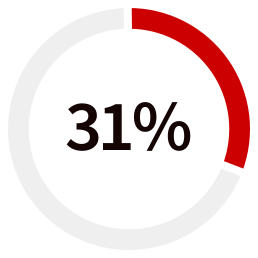
identified poor training as their top challenge

use certifications and training to retain staff
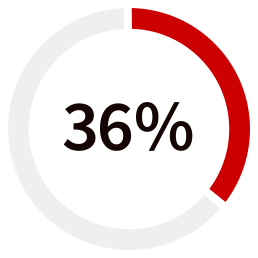
outsource training to support internal teams
Making the Grade Without Burning Out
Monitoring threats around the clock is not possible for most IT teams balancing multiple high-value priorities. Schools need support structures that combine preparation with sustainable coverage — from risk modeling and incident planning to managed detection and response.
CDW partners with districts to build cybersecurity programs that meet today’s challenges and tomorrow’s demands. With decades of experience in education, CDW offers the insights, services and solutions to:

Conduct risk assessments and compliance audits tailored for K-12
Centralize endpoint and device protection for all users
Deploy modern firewalls, segmentation and network monitoring
Implement secure identity and access management across tools and apps
Deliver security awareness training for faculty, staff and students
Provide 24/7 monitoring and incident response through our security operations center
Let’s close the security achievement gap by keeping things simple.
Source: 2024 CDW Cybersecurity Report